Why Regional Airlines Matter
Canada’s regional airline network connects hundreds of communities that major carriers do not serve. From scheduled turboprop routes in Northern Ontario to jet operations across the Prairies, regional airlines carry real passengers on real schedules — and they need pilots to do it.
For pilots building toward a major airline career, regional operations are the standard stepping stone. The structured environment, line flying experience, and crew resource management development that comes from regional work is exactly what major carriers look for in candidates.
What Regional Flying Looks Like
Scheduled Passenger Service
Fixed routes, published timetables, and consistent crew pairing. Builds the operational discipline and procedural fluency that major airlines require.
Turboprop Operations
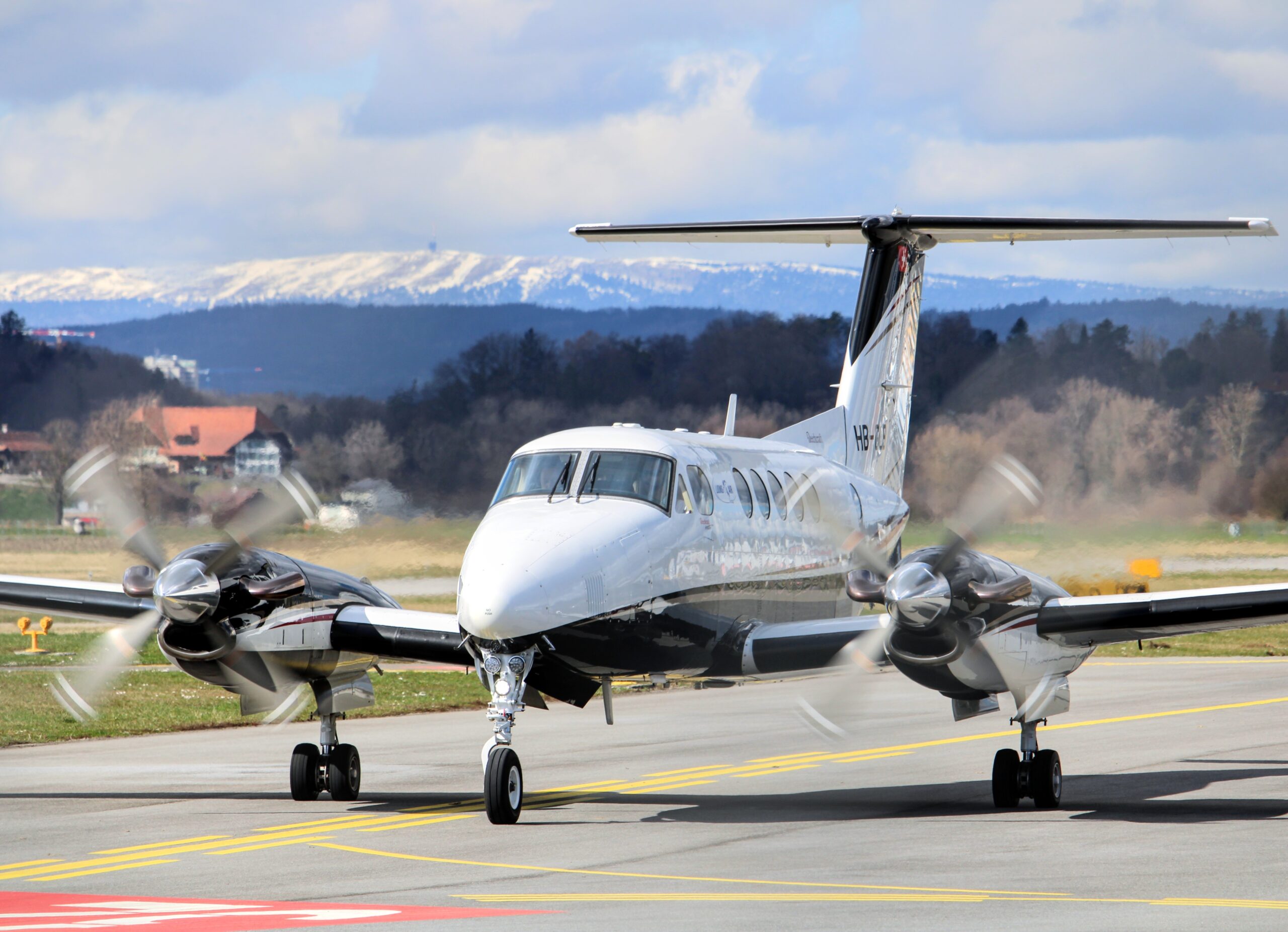
Dash 8, ATR, and Beechcraft 1900 operations are common at Canadian regionals. Multi-crew turboprop time is highly valued by larger operators.
Northern and Remote Routes
Many regional carriers serve remote and northern communities. Challenging weather, short runways, and diverse conditions build genuine operational experience fast.
Crew Resource Management
Multi-crew operations from day one. CRM, standard operating procedures, and crew coordination are built into every flight — essential for any airline career.
Salary Range
| Role | Annual Range (CAD) | Notes |
|---|---|---|
| First Officer | $55,000 — $85,000 | Varies by carrier and aircraft type |
| Captain | $85,000 — $140,000 | Northern and remote allowances may apply |
Figures are approximate and vary by carrier, province, and collective agreement where applicable.
What Regional Carriers Are Looking For
Typical requirements:
CPL with Multi-Engine IFR — 500 to 1,000+ total hours depending on carrier — ICAO English Level 4 minimum, Level 5 strongly preferred — Class 1 medical — Location flexibility for base assignments — Strong CRM and procedural discipline
Notable Canadian Regional Carriers
Pacific Coastal Airlines
BC-based regional carrier. Turboprop operations connecting coastal and interior communities.
Harbour Air
The world’s largest seaplane airline. Float operations across BC with a strong safety culture and unique operational environment.
Central Mountain Air
BC and Alberta scheduled service. Beechcraft 1900 operations serving remote and mountain communities.
Perimeter Aviation
Manitoba-based carrier serving northern and remote communities. Strong demand for pilots with northern operations experience.
Regional as a Stepping Stone
Two to three years at a Canadian regional carrier builds a logbook that major airlines actively recruit from. Multi-crew turboprop time, IFR line experience, and a track record of consistent professional performance are the ingredients. Regional flying provides all three.
The pilots who move through this stage successfully are the ones who treated every flight as preparation for the next level — not just hours toward a number.
FOR PILOTS READY TO MOVE DIRECTLY
You do not have to go through a study program first.
If you already have the hours and the license, a direct path into Canadian aviation is possible. Understanding how LMIA works is an essential part of making that happen.
Ready to Map Your Path?
If you want to understand where your current profile fits in the Canadian regional airline market, register below. No strings attached.