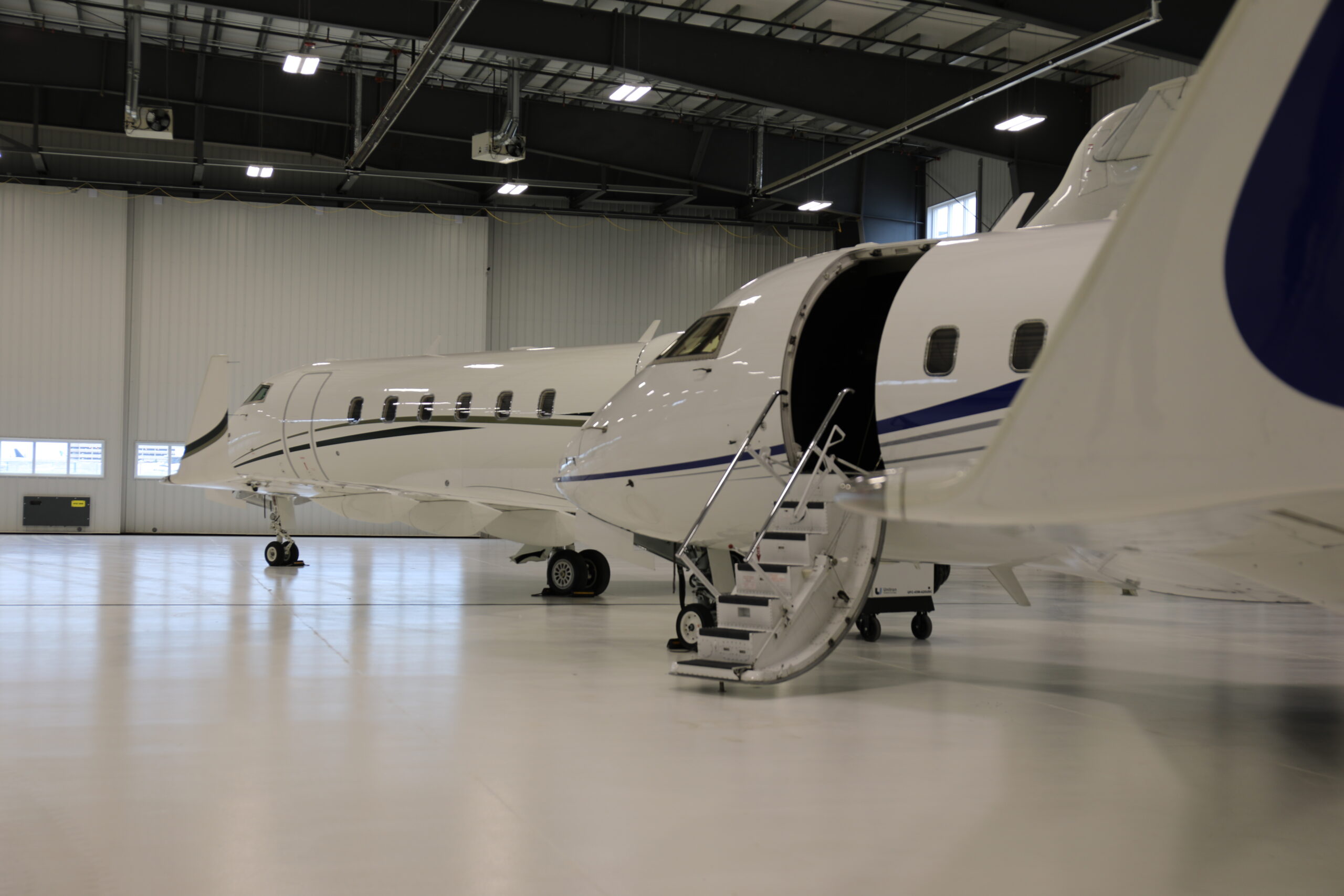
What Makes the Canadian Charter Market Different
Canada’s geography drives its charter industry. Vast distances, remote communities, resource operations, and a high-volume tourism sector create sustained demand for charter operators across every province. British Columbia, Alberta, and Ontario alone host dozens of operators ranging from single-aircraft outfits to multi-fleet companies running turboprops and business jets.
Charter flying covers passenger transport, cargo, VIP movement, medical evacuation, and construction site support. The variety of missions builds operational judgment, CRM, and customer-facing skills that few other environments can match at an early career stage.
Why Charter Works for Career-Change Pilots
Pilots who come to aviation from other professional backgrounds tend to perform well in charter environments. The role requires more than technical flying — client communication, ground coordination, and independent decision-making are daily realities. Professional experience from outside aviation is a genuine asset here, not just a talking point.
Charter operators are also more likely than major airlines to evaluate candidates holistically. A strong profile — solid hours, real English ability, location flexibility, and demonstrated human capital — can open doors that a purely hour-count-based screening would close.
Types of Charter Operations in Canada
VIP and Executive Charter
High-standard client-facing operations on business jets and turboprops. Strong English and professional presentation are essential.
Passenger and Tourism
Scheduled and on-demand passenger services to remote communities and tourist destinations. Common in BC, Yukon, and Northern Ontario.
Medevac and Air Ambulance
Time-critical medical transport requiring strong IFR capability and composure under pressure. High operational standards and strong career progression.
Cargo and Resource Support
Freight and supply runs to mining, forestry, and energy sites. Often remote, requiring adaptability and strong mountain or bush flying skills.
Bush and Float Operations
Seasonal float plane and backcountry operations. Demanding environment that builds hours quickly and develops real operational depth.
Survey and Patrol
Aerial survey, wildlife monitoring, pipeline patrol, and law enforcement support. Methodical flying with strong technical requirements.
Salary Range
Compensation varies by operator size, aircraft type, and province. Cold weather, mountain terrain, and charter-specific allowances can increase base figures significantly.
| Role | Annual Range (CAD) | Notes |
|---|---|---|
| First Officer | $60,000 — $85,000 | Varies by aircraft type and region |
| Captain | $90,000 — $150,000 | Higher with type rating and remote allowances |
Figures are approximate. Some operators use hourly or daily rates rather than annual salary.
What Operators Are Looking For
Typical requirements:
CPL with Multi-Engine IFR — 300 to 500+ total hours depending on operator — Type rating may be required for jet operations — ICAO English Level 4 minimum, Level 5 preferred — Location flexibility, especially for remote or northern bases
Beyond the technical minimums, charter operators evaluate adaptability, client communication, and whether a candidate can function independently in an environment where support structures are minimal. The pilots who succeed here are the ones who prepared for the environment, not just the flight test.
Notable Canadian Charter Operators
The following operators are well-established in the Canadian market and represent a range of operation types and scales.
Air Sprint
VIP and fractional ownership operations. Business jet focus with high professional standards.
Sunwest Aviation
Alberta-based multi-fleet operator. Turboprop and jet operations across Western Canada.
North Cariboo Air
BC-based charter and scheduled service. Strong remote and northern operations experience.
Why Charter Experience Accelerates Your Career
Charter builds the kind of hours that operators at the next level actually read carefully. Multi-engine turboprop time, IFR in genuine IMC, night operations, short-field and remote base experience — these are not checkboxes. They are the substance of a logbook that tells a story.
Pilots who spend two to three years in Canadian charter operations consistently move into regional airline or corporate aviation roles with stronger profiles than those who accumulated the same hours in more controlled environments.
FOR PILOTS READY TO MOVE DIRECTLY
You do not have to go through a study program first.
If you already have the hours and the license, a direct path into Canadian aviation is possible. Understanding how LMIA works is an essential part of making that happen.
Ready to Explore Charter Opportunities?
If you want to understand where your current profile fits in the Canadian charter market — hours, license, English level, and location flexibility — register below. No strings attached.